Introduction
When it pertains to landscaping, retaining walls serve a crucial function-- holding back soil while including visual appeal to your outside space. Whether you're contemplating a concrete sleeper, timber sleeper, or wood sleeper option, picking the best installer is simply as crucial as the product choice itself. In this detailed guide, we'll traverse the ins and outs of selecting a trustworthy retaining wall installer in Melbourne. So let's dig in!
Choosing the Right Retaining Wall Installer in Melbourne: A Comprehensive Guide
What is a Keeping Wall?
A retaining wall is a structure created to withstand the lateral pressure of soil when there is a change in ground elevation. They can be built from various materials consisting of concrete sleepers, timber sleepers, and wood sleepers
Why Are Keeping Walls Important?
Retaining walls not just enhance aesthetics but also help prevent soil erosion and handle drainage issues. https://lorenzocontractorkpds408.trexgame.net/step-by-step-retaining-wall-installation-process-explained They can transform an irregular lawn into functional area, producing balconies for gardens or pathways.
Types of Retaining Walls
Concrete Sleeper Walls
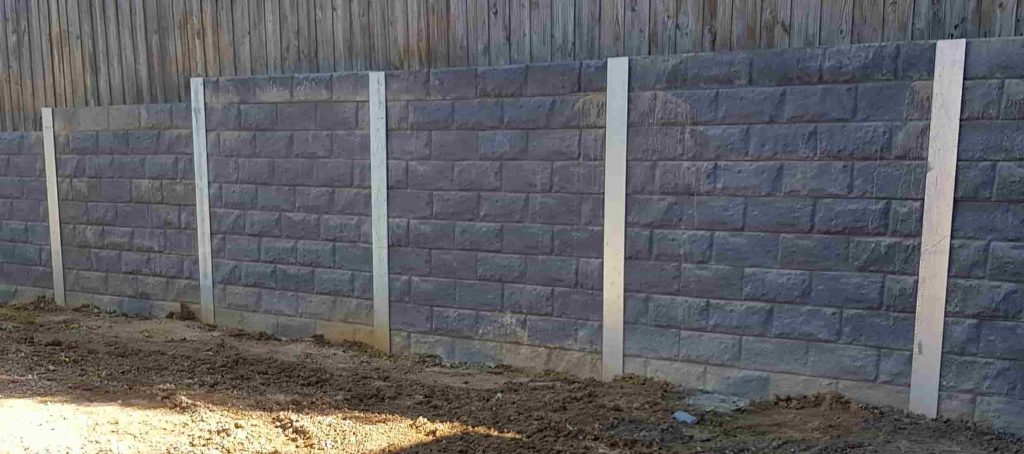
Concrete sleeper walls are popular due to their resilience and low maintenance requirements. They're best for areas with high wetness content as they withstand rot better than lumber options.
Timber Sleeper Walls
Timber sleeper walls offer a more natural appearance and can blend flawlessly into gardens. Nevertheless, they may need more upkeep than their concrete counterparts.
Wood Sleeper Walls
Wood sleeper walls provide rustic appeal however included difficulties like vulnerability to pests and decay if not dealt with properly.
Factors to Think about When Selecting an Installer
Experience
When looking for an installer, focus on those with considerable experience in structure retaining walls. Ask potential specialists how long they've been in business and request examples of previous work.
Reputation
Online reviews can give you insight into an installer's dependability and quality of work. Try to find testimonials that particularly discuss tasks similar to yours.
Licensing and Insurance
Always guarantee your installer has the necessary licenses and insurance coverage to safeguard yourself from liability ought to something go awry during the setup process.
Questions to Ask Your Prospective Installer
How many keeping wall jobs have you completed? Can you provide references? What products do you recommend for my specific needs? What's your project timeline? How do you deal with unforeseen issues throughout construction? Do you offer any guarantees on your work?Understanding Expenses Involved
Building a maintaining wall can vary substantially in expense depending on materials, labor, and complexity of the project.
|Product Type|Estimated Cost per Meter|| -------------------|--------------------------|| Concrete Sleeper|$200 - $400|| Timber Sleeper|$150 - $300|| Wood Sleeper|$100 - $250|
The Setup Process
Initial Consultation
The initial step usually involves discussing your needs with the installer, where they'll assess your site conditions.
Design Phase
The next phase consists of drafting plans that line up with regional regulations concerning height, drain, and aesthetics.
Construction
This is where the magic happens! The chosen materials are delivered, and setup starts according to finest practices.
Maintenance Tips for Retaining Walls
Regardless of whether you've gone with concrete or wood sleepers, regular upkeep is necessary:
- Inspect routinely for fractures or indications of shifting. Ensure proper drainage behind the wall. Clean particles away from the surface. Treat wood structures occasionally to prevent rot and pest infestations.
Common Errors When Working with Installers
Failing to Inspect References Not Asking About Warranties Ignoring Local Regulations Opting for the Cheapest Quote Without Assessing QualityChoosing Products: Pros & Cons
Concrete Sleepers: Pros & & Cons
- Pros: Durable, low maintenance. Cons: Higher preliminary expenses compared to lumber options.